
Pediatric pelvic health has come a long way over the past 40 years. What started with me working alongside pediatric urologists and gastroenterologists has grown into a thriving specialty that continues to expand every year. As our understanding of childhood development has evolved, so has our approach to caring for children with bowel, bladder, and pelvic health concerns.
Early on, I recognized something that seems obvious today: children are not simply small adults. Their bodies are ever-changing and their nervous systems are developing constantly. Every stage of childhood presents unique physical, emotional, and behavioral considerations. Treating a child requires far more than modifying an adult treatment plan. It requires an entirely different way of thinking.
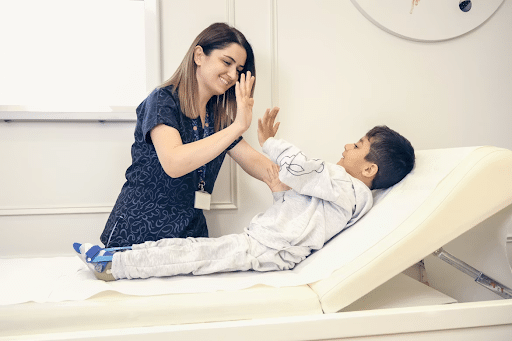
Today, pediatric pelvic health reaches well beyond constipation and urinary incontinence. Therapists care for children with pelvic pain, developmental delays, connective tissue disorders, and complex medical histories. We are increasingly asked to look beyond symptoms and understand the whole child.
At the same time, awareness of pediatric pelvic floor therapy has never been greater. More physicians are referring. More families are seeking care. More therapists are pursuing specialized training. While that growth is exciting, it also highlights a significant problem: there are still far too few clinicians with the knowledge and experience needed to meet the demand.
A Strong Foundation Is Only The Beginning
The growth of our profession has created incredible educational opportunities. Introductory courses now provide therapists with a solid understanding of pediatric bowel and bladder dysfunction and evidence-based treatment strategies. These courses are an essential first step for anyone entering the specialty.
But every experienced clinician eventually realizes that completing a course and becoming an expert are two very different things.
Courses teach concepts. Expertise develops through application. It comes from seeing many children with presentations that don’t fit neatly into a lecture slide. Expertise develops when you learn to adapt your treatment plan because a child is anxious, sensory seeking, medically complex, or simply not responding the way you expected.
That transition can feel uncomfortable. Many therapists leave a course feeling confident, only to encounter a patient a few weeks later who makes them curious to learn more.. Want to know the truth? This is a normal part of becoming a specialist.
Growth happens between courses, when you reflect on difficult cases and ask questions. Receiving mentorship and learning alongside other clinicians who have faced similar challenges is equally as important.
That’s one reason the KBB Professional Village exists. This networking group gives therapists a place to continue learning after the courses end, through mentorship, case discussions, and conversations with clinicians who understand the realities of pediatric pelvic health practice. Continuing education shouldn’t end when you receive a certificate of completion. It should mark the beginning of the next stage of your professional growth.

So, What Makes An Advanced Pediatric Clinician?
The therapists who become leaders in pediatric pelvic health don’t necessarily know more treatment techniques than everyone else. More often, they think differently.
Advanced clinicians recognize patterns that newer therapists may miss. They begin connecting information across body systems instead of focusing on a single symptom. They know when constipation is only one piece of the puzzle. They look beyond the diagnosis to identify the factors driving a child’s symptoms.
They also become comfortable making individualized decisions. Rather than asking, “What’s the protocol for this diagnosis?” they ask, “What does this child need today?” That shift in thinking makes treatment less about following a recipe and more about solving a clinical puzzle.
Perhaps most importantly, advanced practitioners remain curious. Experience builds confidence, but it should never eliminate the desire to keep learning. The best clinicians continue to ask questions, seek feedback, and challenge their own assumptions because they know that every child has something new to teach them.
Why I Created The Pediatric Pelvic Health Advanced Practitioner Certificate
As pediatric pelvic health has grown, we’ve seen an increasing number of therapists asking the same question:
“What’s next?”
After completing foundational coursework, many clinicians want a structured way to continue advancing their knowledge. They want opportunities to deepen their clinical reasoning, receive recognition for their commitment to the specialty, and to continue growing alongside other dedicated pediatric pelvic health providers.
That’s exactly why the Pediatric Pelvic Health Advanced Practitioner (PPHAP) Certificate was created.
The goal isn’t simply to award another credential. It’s to recognize clinicians who have intentionally invested in advanced preparation and who are committed to lifelong learning. It also provides a meaningful pathway that bridges the gap between introductory education and true clinical competency.
More importantly, the certificate represents something bigger than individual achievement. As more therapists pursue advanced education and mentorship, our profession becomes stronger. Referral sources gain greater confidence in pediatric pelvic health services, and families receive higher-quality care. Children benefit from clinicians who are equipped to manage increasingly complex presentations.

Continue Growing With The Profession
No matter how long you’ve been practicing, there is always another level of growth waiting for you. Every child you treat adds another layer to your clinical reasoning, and every challenging case presents an opportunity to become a more thoughtful clinician.
If you’ve built a strong foundation in pediatric pelvic health and you’re looking for the next step in your professional journey, I invite you to consider applying for the Pediatric Pelvic Health Advanced Practitioner (PPHAP) Certificate. This certificate is designed for clinicians who believe excellence is achieved by committing to continuous growth throughout their careers.
The next application window will open August 17-21, 2026. I hope you’ll join our community of pediatric pelvic health therapists who are passionate about advancing their expertise, supporting one another, and elevating the care we provide to children and families. Upon completing the PPHAP Certificate, you’ll be listed in the PPHAP Graduate Registry, making it easier for parents and referring providers to find clinicians with advanced training. Graduates may also have opportunities to serve as teaching assistants and, with continued growth and experience, become part of the KBB faculty.