
Every fall, we see the same wave: kids who were fine all summer start leaking during the day, complaining of belly aches, and waking up wet by October.
The bathroom didn’t change. The schedule did.
For some children, going back to school is a major shift in their bladder and bowel routine. Summer may have allowed them to drink when they were thirsty, use the bathroom when they needed to, and take their time with a bowel movement. Then suddenly, they are expected to wake up early, get on the bus, sit through several hours of school, and wait for designated breaks. Navigating a busy bathroom and new people adds an extra layer of stress too.
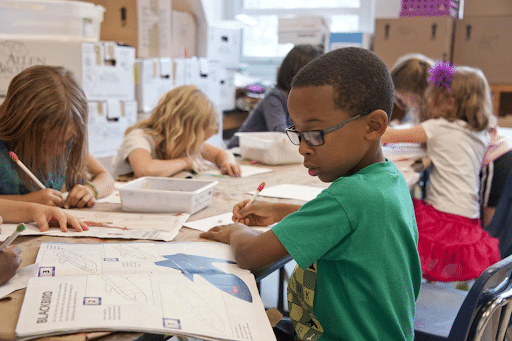
When routines change (such as going back to school, fall break, vacation, or even a new after-school activity), the bowel also needs time to adjust for some children. It’s a good idea to check your kids’ bladder and bowel habits during these transitions, particularly if they have a history of constipation, daytime wetting, or bedwetting.
As a pediatric pelvic floor therapist, these transitions also give you an important opportunity to help families understand what may be happening, before a small change grows into a much bigger bladder or bowel problem. Let’s discuss what signs to look out for, and when and where you might see them, so you know what to watch for.
Signs To Look For In The First Six Weeks Back-to-School
The first several weeks of school can tell you a lot about how a child’s bladder and bowel habits are adapting to the new routine.
Parents may notice:
- Racing to the bathroom right after school
- Damp underwear in the afternoon
- Refusing to poop until they’re home
- Bedwetting that starts up again after a dry summer
- A UTI that shows up in September
- Morning belly aches everyone assumes are nerves
These are clues worth paying attention to, especially when they represent a change from the child’s usual pattern.
A child who spends the entire school day holding their urine may come home desperate to use the bathroom. A child who avoids having a bowel movement at school may begin holding stool every day, which can eventually contribute to constipation, abdominal discomfort, stool leakage, or changes in bladder function.
Sometimes what looks like a sudden bladder problem is really a routine problem that has been building for weeks.

How Back-to-School Routines Affect Pediatric Bladder and Bowel Health
7:00 — BEFORE THE BUS
The window that’s easiest to miss
The morning bathroom trip can be one of the easiest pieces of the routine to overlook. Kids are tired and trying to get dressed, eat breakfast, find their shoes, and get out the door. So if they don’t feel the urge to have a bowel movement right away, they may skip the toilet completely.
But the morning is an important time for bowel activity. Eating and drinking can stimulate the gastrocolic reflex, creating a natural opportunity for a bowel movement. If a child consistently ignores that window because they’re rushing out the door, they may eventually begin relying on the afternoon or evening instead.
For some children, a simple shift in the morning routine can make a big difference. Build in enough time for breakfast, hydration, and an unhurried bathroom sit rather than making the toilet another thing they have to squeeze in before the bus arrives. The goal is to create the opportunity for a bowel movement.
2:00 — THE HOLD ZONE
Where the wet underwear actually comes from
By the afternoon, some kids have been holding for hours. Maybe they don’t want to ask the teacher, don’t want to miss class, or don’t feel comfortable using the school bathroom. Maybe they have simply gotten used to ignoring the first urge to urinate.
This is where parents may start seeing damp underwear or urgency right after school. Some children will practically sprint through the front door to get to the bathroom because they have been holding since the morning.
And the same thing can happen with stool. A child may have the urge to poop during school but decide, I’m just going to wait until I get home. Over time, repeatedly delaying bowel movements can be particularly problematic for children who are already prone to constipation.
Gradually, holding patterns can become part of the child’s normal routine, even if they don’t realize they’re doing it. That holding causes the damp underwear at the end of the school day.
When a child waits too long to urinate, the bladder becomes increasingly full and may start to contract or leak before they make it to the bathroom. Some children may have only a small amount of dampness in their underwear, while others may have more complete urinary incontinence.
3:30 — PICKUP
What pickup tells you
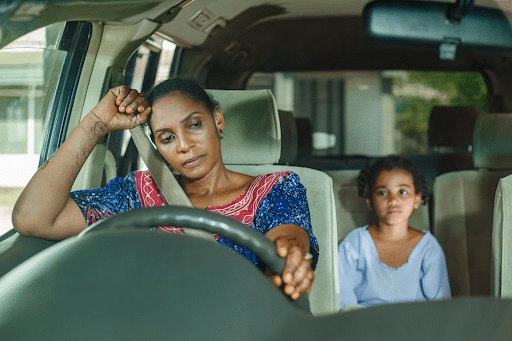
The first few minutes after school can provide a surprising amount of information. If a child immediately asks for the bathroom, is desperate to pee, complains of stomach pain, or suddenly has a bowel movement as soon as they get home, their after-school routine may be telling you something about what happened during the school day.
It doesn’t mean they were doing anything “wrong.” They may have been holding because they didn’t feel comfortable using the school bathroom, were too busy to recognize their body signals, or were worried about asking for a bathroom break.
Help educate parents on the importance of having these conversations at pickup. Instead of assuming the child simply “didn’t go,” use these patterns as clues that can help you figure out what is happening during the school day.
Strategies To Support Healthy Bladder And Bowel Habits At School
1. Teach the Signal, Not the Shame
If a child is worried about asking to use the bathroom, work with the family and school to create something quiet and predictable. Agree on something simple with the teacher, such as a card on the desk or a hand signal, and let the child choose which one.
Have families practice it once at home so it isn’t new when school starts. The goal is a child who never has to announce that they need the bathroom, because the announcing is exactly what makes them hold.
2. Pack for the Reality
A labeled water bottle they like can make hydration easier. Keeping a spare pair of underwear and socks in their bag provides some reassurance.
Kids who know a spare exists may be less anxious about leaking. Kids who are terrified that someone will notice may hold longer, avoid drinking, or avoid using the bathroom altogether. Sometimes reducing the anxiety around leakage is part of preventing the cycle from continuing.
3. Ask a Better Question at Pickup
“Did you go to the bathroom today?” often gets a shrug.
Instead, have parents try “How many times did you go?” and “Did you poop?” Specific questions tend to get more useful answers, and the answer is often zero.
Encourage parents to ask once, lightly, and let it go. A daily audit can quickly turn into a child feeling like their body is being monitored, and monitored kids may become more secretive, anxious, or likely to hold. Instead, use the information to identify patterns and determine whether something about the school routine needs to change.
4. This Isn’t a Discipline Problem
Wetting and soiling at this age are almost always outside a child’s control, and cleanup-as-consequence reliably backfires. A child who feels ashamed may hold it longer, hide symptoms, or become afraid to tell an adult when they need help.
Discipline is a common thing many families try, especially when they aren’t sure what else to do. Instead, have parents praise the toilet sitting, not the result.
Praise the child for listening to their body, taking a bathroom break, or following the routine. The goal is to build healthy habits and body awareness, not to create another performance expectation around toileting.
If The Bathroom Itself Is The Problem
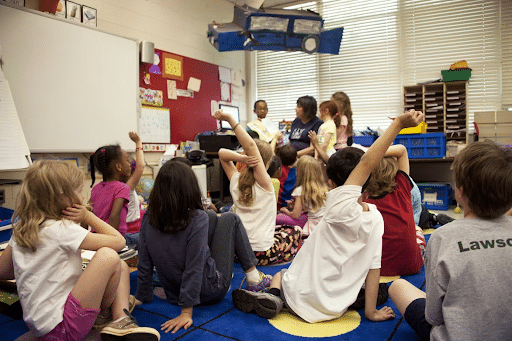
Sometimes the schedule isn’t the whole story. Some children avoid a specific bathroom because of the noise, the hand dryers, the smell, no door on the stall, teasing, or something that happened there.
If a child uses the toilet freely at home but never at school, ask gently and openly, “What’s the bathroom like at school?”, rather than immediately pressing on whether they went. This question gives the child an opportunity to tell you about the environment without feeling like they are being questioned about their toileting habits.
A child who feels unsafe in a room will hold no matter how good the routine is. And that’s a fixable problem once you know about it.
My online course, Pediatrics Level 1 – Treatment of Bowel and Bladder Disorders, gives you all the tools to evaluate and treat incontinence and constipation. With school back in session this fall, now is the perfect time to become skilled in pelvic floor therapy and help those kiddos!