
Are your patients dropping off and not scheduling more visits?
Do you ever get the sense that you are not really being heard by the family during a session?
Do families return only to admit they have not been compliant with what you asked them to do?
Think about a time when you were injured or in pain. You were probably very committed to your home program in the beginning. But how likely were you to keep it up once the pain was gone, or once life felt normal again?
This is very similar for your families.
Consistency with a pediatric pelvic health program can feel overwhelming. Between school, sports, work schedules, and siblings, the family life is already busy to begin with. Additionally, trying to remember water intake, timed voiding, and daily stool routines can be exhausting. And yet, for any pediatric pelvic floor therapist, one truth becomes clear quickly: outcomes depend on what happens at home.

When families are consistent, children improve. When home programs fall apart, progress stalls.
Caregivers are more consistent when:
- They understand why each component matters
- They see small wins
- The plan feels manageable
In this blog post, let’s take a look at strategies to help you improve caregiver compliance and home exercise carryover.
Why Home Program Adherence Is the Limiting Factor in Bowel and Bladder Dysfunction Treatment
Pediatric bowel and bladder dysfunction is behaviorally mediated and neurologically driven. This means change requires repetition. It requires consistent input over time. However, most families navigating pediatric pelvic health therapy are also managing communication with their child’s school around leaks, a child’s embarrassment or anxiety, and behavioral resistance. Additionally, sleep disruption, work demands, and sibling needs can’t be neglected.
When you provide a comprehensive home program, even well-designed interventions can exceed family capacity. When that happens, the breakdown isn’t an issue of motivation. It’s cognitive and emotional overload. Parents are not choosing to ignore the plan. They are often trying to survive the week.
Instead of viewing adherence through a compliance lens, consider shifting to capacity-based planning.
Rather than asking, “Did you get everything done on your chart this week?”
Ask, “What can this family realistically sustain this week?” “What is the biggest barrier to getting things done?”
Even something as simple as, “What’s one thing you know you can do every day without a problem?” can change the tone entirely.

Capacity-based planning improves caregiver follow-through in therapy and reduces shame-based disengagement. When families feel judged, they disengage. When they feel understood, they collaborate.
Sometimes I say directly, “I don’t need perfect. I need consistent enough. If we do this 70% of the time, the bladder can change.” That statement alone often lowers shoulders in the room. It reframes the goal from perfection to progress.
Strategy 1: Simplify Before You Intensify
Most pediatric pelvic floor therapy programs include multiple components:
- Timed voiding every 2–3 hours
- Daily constipation protocol
- Fluid targets
- Toilet posture correction
- Pelvic floor muscle coordination
- Relaxation training
While all components matter, sequencing matters more. It’s far more powerful to anchor the plan around one or two behaviors that create momentum. That might mean focusing on producing a daily soft stool and adding one predictable toilet sit after school. Or prioritizing consistent hydration during school hours before layering in pelvic floor drills.
Early success increases caregiver confidence, while overwhelm reduces adherence. Simplification is strategic, not a lowering of standards.
Adherence also improves when routines are not dependent solely on parental memory or repeated verbal reminders. The more a system relies on “Mom remembering,” the more fragile it becomes.
Instead, suggest these tactics:
- Sticker charts (age-appropriate)
- Water bottle tracking marks
- Visual bathroom routine cards
- Phone alarms labeled “Bladder Reset”
- Printed daily checklist on the fridge
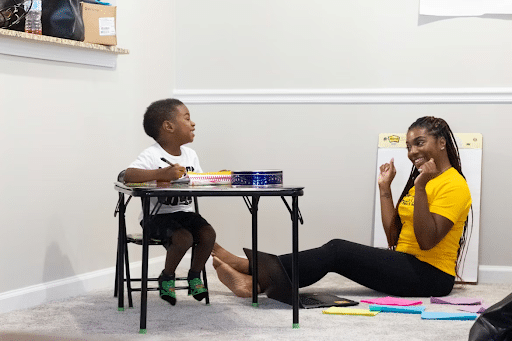
When a phone alarm says “Bladder Reset,” it feels neutral. When a parent says it for the fifth time, it can feel like nagging.
In pediatrics, inconsistency is often emotional instead of logistical. Children may avoid the toilet due to fear, anxiety, or sensory issues. Some resist because toileting has become a power struggle with their caregiver. Other kids feel deep shame about leaks. Executive function challenges or sibling dynamics can add another layer.
When things fall apart, gently ask:
- “What part of this feels hardest right now?”
- “When does it usually fall apart?”
- “What’s your child’s biggest pushback?”
Sometimes consistency improves when you adjust the tone of the conversations, not overhauling the protocol. You want families’ routines to feel automatic, not emotional or upsetting.
Strategy 2: Teach The Physiology Explicitly
Caregivers (and kids) are more consistent when they understand the mechanism, the “why” behind what we are asking of them.
In pediatric bowel and bladder dysfunction treatment, explicitly teach how:
- Rectal distension reduces bladder capacity
- Stool retention triggers urgency
- Overholding increases detrusor instability
- Constipation contributes to bedwetting
Explain the WHY– not only to the caregiver, but most importantly to the child! The caregiver will understand!
Explain how stool retention increases urgency and how constipation contributes to daytime leaks and bedwetting. Help them see that when stool accumulates in the rectum, it physically presses against the bladder, leaving less room for expansion. The bladder then behaves as though it is irritated.
You know that pediatric constipation treatment is foundational to improving bladder symptoms. So say it plainly: “We can’t calm the bladder if the rectum is full.” Or, “If we skip the bowel plan, the bladder doesn’t get the chance to reset.”
When children understand that poop is literally crowding their bladder, the plan shifts from feeling like busywork to feeling purposeful. The caregiver may intellectually understand this, but the child needs to see the connection. Even offer a quick bladder–bowel diagram or use balloons to show how things work to improve adherence.
When tasks feel physiologically purposeful, adherence improves. Consistency 70% of the time is often enough. None of us are perfect!
Strategy 3: Normalize The 8–12 Week Timeline
Expectation management is another adherence strategy. One of the most common drop-off points happens when symptoms improve slightly. Families assume treatment is complete. Or, if progress plateaus, they interpret it as failure.
Bladder retraining is not a quick fix. It requires sustained repetition to recalibrate, improve pelvic floor coordination, and normalize brain-bladder signaling patterns. Most children need eight to twelve weeks of steady consistency before meaningful change is made.
Set this expectation early. “We are retraining a nervous system pattern. This takes consistent input for several weeks.” When families understand the timeline and that perfection is not required, they are less likely to abandon the plan prematurely.

Strategy 4: Address Emotional Tone, Not Just Behavior
In pediatric pelvic floor therapy, adherence is often emotional before it is behavioral. Common emotional barriers include child shame and caregiver frustration. Even toilet power struggles and anxiety around leaks can undermine even the most structured plan.
Teach neutral language shifts.
Instead of:
“Why didn’t you go before lunch?”
Offer:
“It’s bladder reset time.” “ Let’s start again!”
These small shifts reduce the emotional charge to improve long-term follow-through and protect the therapeutic alliance.
Strategy 5: Modify For Neurodivergent Children
Pelvic therapy for bladder and bowel dysfunction frequently overlaps with ADHD, sensory processing differences, and anxiety. Some neurodivergent children miss internal signals. Others may hyperfocus and ignore urges. Transitions can be difficult and prove resistant. Toilet posture may feel uncomfortable or overstimulating.
These are regulation differences, not defiance.
Bodies like routine. For neurodivergent children, the plan works best when it is predictable, visual, low-pressure, and consistent. Pairing toileting with existing routines, such as brushing teeth or after school or a specific meal. This reduces decision fatigue and improves adherence.
External timers and visual checklists can support compliance without constant verbal prompting.
Structure supports regulation. When regulation improves, adherence improves.
Strategy 6: Reframe Inconsistency As Clinical Data
When families say, “We didn’t stick to it,” resist the urge to immediately correct them. Instead, treat it as clinical data and ask:
- “What time of day breaks down?”
- “What feels hardest?”
- “What would make this 10% easier?”
- “Can you pick one thing you know you can be successful with this week?”
Improving caregiver follow-through in therapy depends on collaborative problem-solving, not instruction escalation.

Strategy 7: Reinforce 70% Consistency
All-or-nothing thinking undermines adherence. Focus instead on what’s enough.
Throughout it all, reinforce that you are not chasing perfection. Bladder and bowel systems respond to repetition, not intensity. You can tell families: “We don’t need perfect. We need consistent enough.”
Reducing perfectionism protects long-term engagement.
Ask caregivers if there are ongoing power struggles and invite them to let you address those issues in the next therapy session. Sometimes simply shifting who holds the authority changes the dynamic.
Consider Creating A “Tier System” For Pelvic Floor Therapy Compliance
A tiered plan prevents overwhelm.
Tier 1 (non-negotiables)
- Daily stool management
- School water
- 1–2 timed voids
- In some cases, you can only do one of these per week!
Tier 2 (When you’re ready)
- Exercises
- Relaxation drills
- Advanced pelvic coordination
Instead of telling, ask:
- “On a scale of 1–10, how confident do you feel doing this?”
- “What would move it up one point?”
Let them problem-solve. Ownership increases follow-through.

If you are a pediatric pelvic floor therapist treating bowel and bladder dysfunction, your success is determined not only by assessment and manual skill, but by your ability to coach families through sustainable behavior change.
Home program adherence improves when:
- Education is physiologically clear
- Interventions are sequenced
- Emotional tone is neutral
- Expectations are realistic
- Capacity is respected
You are not only retraining pelvic floors. You are guiding nervous system adaptation within family systems. Supporting the caregiver supports the child.
Let the caregiver know: You are not alone. Your child is not lazy. This is treatable. And consistency, simplified and realistic, is what helps the body change.
If you’d like to learn further about implementing these strategies, I’d like to invite you to sign up for Pediatrics Level 1 – Treatment of Bowel and Bladder Disorders: Evaluation and Treatment of Dysfunctional Voiding, Bedwetting, and Constipation. This online course will equip you to confidently navigate the child–caregiver dynamics that influence pediatric pelvic floor dysfunction outcomes.