
When you first start treating pediatric pelvic floor dysfunction, the work can simultaneously elicit excitement and overwhelm. You probably know how common bowel and bladder issues are in kids. You may have taken a course or two, read a few papers, and suddenly you’re the person in your clinic who treats constipation, leaking, and withholding.
And then the real learning begins.
In pediatric pelvic therapy, experience changes how you practice. The longer you do it, the more you realize the biggest barriers to progress usually aren’t complicated techniques or advanced exercises. More often, they’re simple things that get missed early on.
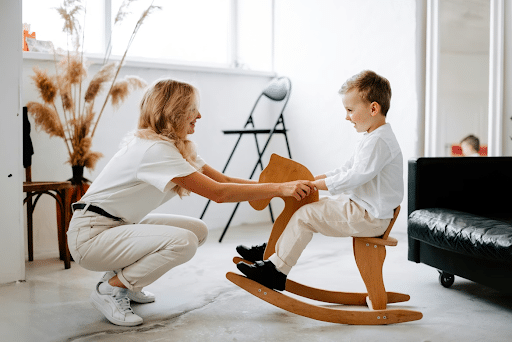
Most new pediatric pelvic therapists make some version of the same mistakes. That’s not a criticism. It’s just part of learning this work! But recognizing these patterns early can make your sessions more effective and far less frustrating.
In this post, you’ll learn some of the most common mistakes new pediatric pelvic floor therapists make, and how you can avoid learning those lessons the hard way.
Over-Cueing Children During Pelvic Floor Therapy
If you come from an orthopedic or sports background, you were probably trained to cue everything.
Adjust the rib cage.
Relax the shoulders.
Engage the core.
Breathe here.
Don’t push.
In those settings, detailed cueing can be helpful. But with kids, especially in pelvic floor therapy, it often backfires.
Children don’t usually develop body awareness through constant correction. In fact, the more instructions you give, the more a child starts looking to you for the “right answer.” Instead of noticing what their body feels like, they’re waiting for you to tell them whether they did it correctly.
You’ll sometimes see this happen in real time. A child will try something, immediately look at you, and ask, “Was that right?”
At that point, the learning has shifted away from internal awareness and toward performance. Interoception plays a central role in this process. Interoception is the internal sense that helps children notice what’s happening inside their bodies, such as muscle effort, breath, tension, or the urge to use the bathroom. This awareness doesn’t develop from being told what’s right or wrong, but rather through experience.
Many kids with bowel or bladder dysfunction already feel pressure around toileting. They’ve been reminded to go to the bathroom, corrected for leaking, or rushed when they take too long. When therapy adds another stream of instructions, it can unintentionally increase that pressure.
Over time, you may start to realize something surprising: the fewer cues you give, the more kids figure out on their own.
Sometimes it’s better to set up the activity, watch what happens, and let the child explore a little before you say anything. You can guide them afterward, but they need a chance to notice their own body first.
Giving Parents Too Much Information During The First Therapy Visit
Another thing that may happen early in your pelvic floor therapy career is the urge to address everything during the first visit.
You’ve done the evaluation, and you can see the whole picture. The child might have constipation, inconsistent toilet habits, poor posture, maybe some breath holding, and a lot of anxiety around bowel movements. You want to help the family understand all of it.
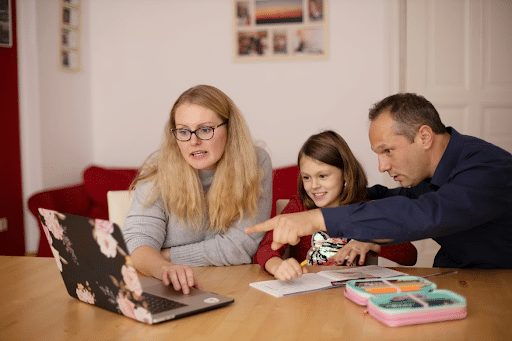
So you explain fiber and hydration, toileting posture and breathing, stool consistency, reward systems, toileting schedules, and maybe even abdominal massage.
By the end of the visit, the parent leaves with a long list of things to work on. The problem is that most families can’t realistically implement that many changes at once.
Parents who come to pelvic floor therapy are usually already exhausted. They’ve often been dealing with symptoms for months or years. They’ve tried sticker charts, reminders, and advice from doctors. When they leave your clinic with ten new strategies, it can feel overwhelming.
What tends to work much better is focusing on one or two changes at a time.
Maybe the first step is simply creating a predictable toilet sit after breakfast. Maybe it’s making sure the child’s feet are supported on the toilet so they’re not dangling. Once the first piece becomes routine, you can add the next layer.
When families feel successful with small changes, they’re much more likely to keep going.
Skipping Bathroom Routines When Treating Pediatric Bowel And Bladder Issues
Physical and occupational therapists are trained to treat movement dysfunction. So when you start working in pelvic health, it’s natural to reach for exercises.
Breathing drills, pelvic floor relaxation and coordination work, and core activation are all valuable tools. But with kids, daily routines often matter even more than exercises.
Many children with bowel and bladder dysfunction simply don’t have consistent toileting habits. They rush out the door in the morning. They ignore early urges to go. They avoid bathrooms at school. Sometimes they only respond when the urge becomes extremely strong.
In those situations, the body never really gets a predictable opportunity to empty.
One of the most powerful things you can help families do is establish a regular routine around meals and toileting. The digestive system naturally increases activity after eating, particularly after breakfast. If a child has time to sit on the toilet during that window, bowel movements become much more likely.
You’ll occasionally see dramatic improvements from something that simple. A consistent morning routine, such as breakfast followed by a relaxed toilet sit, can change the trajectory of treatment before you ever introduce a single exercise.
Once routines are in place, the exercises you teach tend to work much better.

Making Pediatric Pelvic Floor Therapy Too Exercise-Based Instead of Play-Based
Another trap new pediatric pelvic therapists fall into is making sessions feel too much like a traditional exercise program. This typically occurs with good intentions, but if your session turns into a series of drills, many kids lose interest quickly.
Children learn best through play and movement. When therapy feels playful, they engage more fully and absorb the skills you’re trying to teach.
You don’t have to abandon the therapeutic goals. You just embed them differently.
Breathing might happen while blowing bubbles or trying to keep a balloon in the air. Core coordination might show up in crawling games or obstacle courses. Relaxation might be practiced through storytelling or imaginative play.
When kids are laughing and moving, they often learn more than they would during a structured exercise routine.
Missing Constipation When Treating Pediatric Pelvic Floor Dysfunction
One of the most overlooked but simple patterns in pediatric pelvic therapy is realizing how often constipation is driving the entire picture.
It’s easy to get excited about pelvic floor coordination, breathing techniques, and movement-based interventions. Those things absolutely have a place in treatment. But if a child is significantly constipated, those strategies won’t get very far until the stool issue is addressed.

You’ll see this a lot with urinary symptoms. A child might be referred for urgency, frequency, or leaking, and the bladder becomes the focus of treatment. But when you dig a little deeper, you discover that bowel movements are infrequent or painful.
A rectum that is chronically filled with stool changes the mechanics and sensation in the abdomen. It can compress the bladder, alter signaling, and contribute to bladder leaking. If that piece isn’t addressed, progress often stalls.
This is where your role as a therapist expands beyond exercise. You need to understand stool consistency, stool frequency, and common withholding behaviors. You also need to feel comfortable discussing constipation openly with parents and collaborating with pediatricians when medical management is necessary.
Pelvic floor therapy interventions are incredibly helpful, but they usually can’t override significant stool retention.
Expecting Quick Results In Pediatric Pelvic Floor Therapy
Finally, one of the hardest lessons in pediatric pelvic therapy is learning to be patient.
Many of the children you treat have been dealing with bowel or bladder issues for a long time. Stool withholding, painful bowel movements, and bathroom avoidance can become deeply ingrained patterns. The nervous system adapts, and families adapt around those habits.
Changing that pattern takes time.
Parents sometimes arrive hoping therapy will fix the problem quickly, and you may feel pressure to deliver fast results. But bowel and bladder retraining is gradual. It involves improving stool consistency, building routines, developing body awareness, and helping the child feel safe using the bathroom again.
When you explain this early in the process, families tend to feel less discouraged if progress is slow.

If you’re new to pediatric pelvic therapy and recognize some of these mistakes in your own practice, that’s completely normal. Almost every therapist in this field has gone through the same learning process.
What you eventually discover is that the most effective strategies are often the simplest ones. Fewer cues. Smaller changes. Consistent routines. A little more play and a little more patience.
When those pieces come together, progress begins.
And when a child who has struggled for so long finally begins to trust their body again, it’s one of the most rewarding outcomes you’ll see in your pediatric practice!
In my online course, Pediatrics Level 1 – Treatment of Bowel and Bladder Disorders, you’ll learn how to avoid these mistakes through practical strategies and tools, so you can put what you learn into practice immediately.